There are moments in dog training that don’t look like much from the outside.
No big breakthrough. No dramatic “fix”. No celebratory milestone.
Just an empty screen.
And when you’re working with separation-related behaviors (SRB)—often referred to as separation anxiety in dogs—that empty screen can mean everything.
When Separation Anxiety Doesn’t Improve Easily
This journey didn’t start with small concerns. It started with a dog who consistently experienced distress when left alone, like always, for years.
At around 20 minutes, every time, the pattern was the same:
-
Escalation into panic
-
Vocalization and distress behaviors
-
Inability to settle
This wasn’t a case that improved with simple changes.
Even with:
-
Sedation medication support prescribed through a veterinarian
-
A secure crate setup
-
Years of thoughtful management
…the distress persisted.
This is an important reality to name: separation anxiety cases take time, sometmes it is a lot of time. Some cases require long-term, layered support.
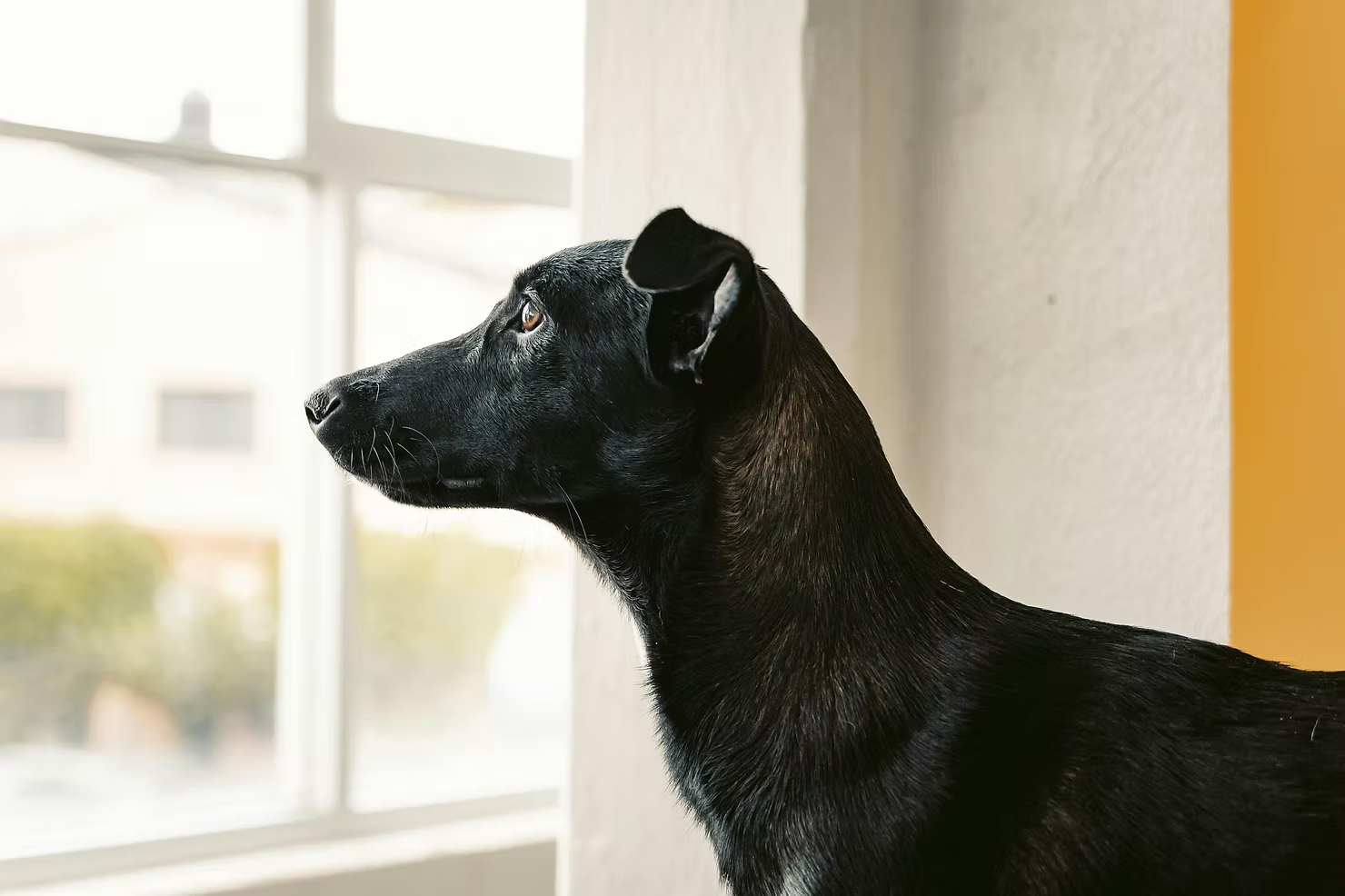
The Reality for Dog Guardians Living with SRB
Before reaching out for help, this guardian had already done what so many dedicated dog guardians do:
-
Structured her life around her dog’s limits
-
Prevented absences whenever possible
-
Learned every early sign of stress
-
Made personal sacrifices to reduce panic
When she had the capacity, she kept going.
She:
-
Consulted with her veterinarian about behavior medication
-
Explored potential underlying health factors
-
Sought professional guidance
-
Stayed committed even when progress was slow or non-existent, she kept going
I understand that not everyone can do this, and that isn’t a judgment call.
Progress Isn’t Linear (And Plateaus Are Part of the Process)
One of the hardest parts of working through separation anxiety in dogs is this:
Progress never follows a straight line.
There were plateaus. Long ones.
Periods where:
-
The data didn’t change much
-
Her dog didn’t feel safe yet
-
Adjustments had to be made carefully
Instead of rushing, we:
-
Slowed down
-
Trusted the process
-
Worked sub – threshold
-
Focused on emotional stability, not just duration
There was no racing toward a finish line.
Just steady, thoughtful work.
The Moment That Matters: An Empty Screen
And then, one day, something changed.
We watched the camera.
And nothing happened.
No pacing. No vocalizing. No escalation.
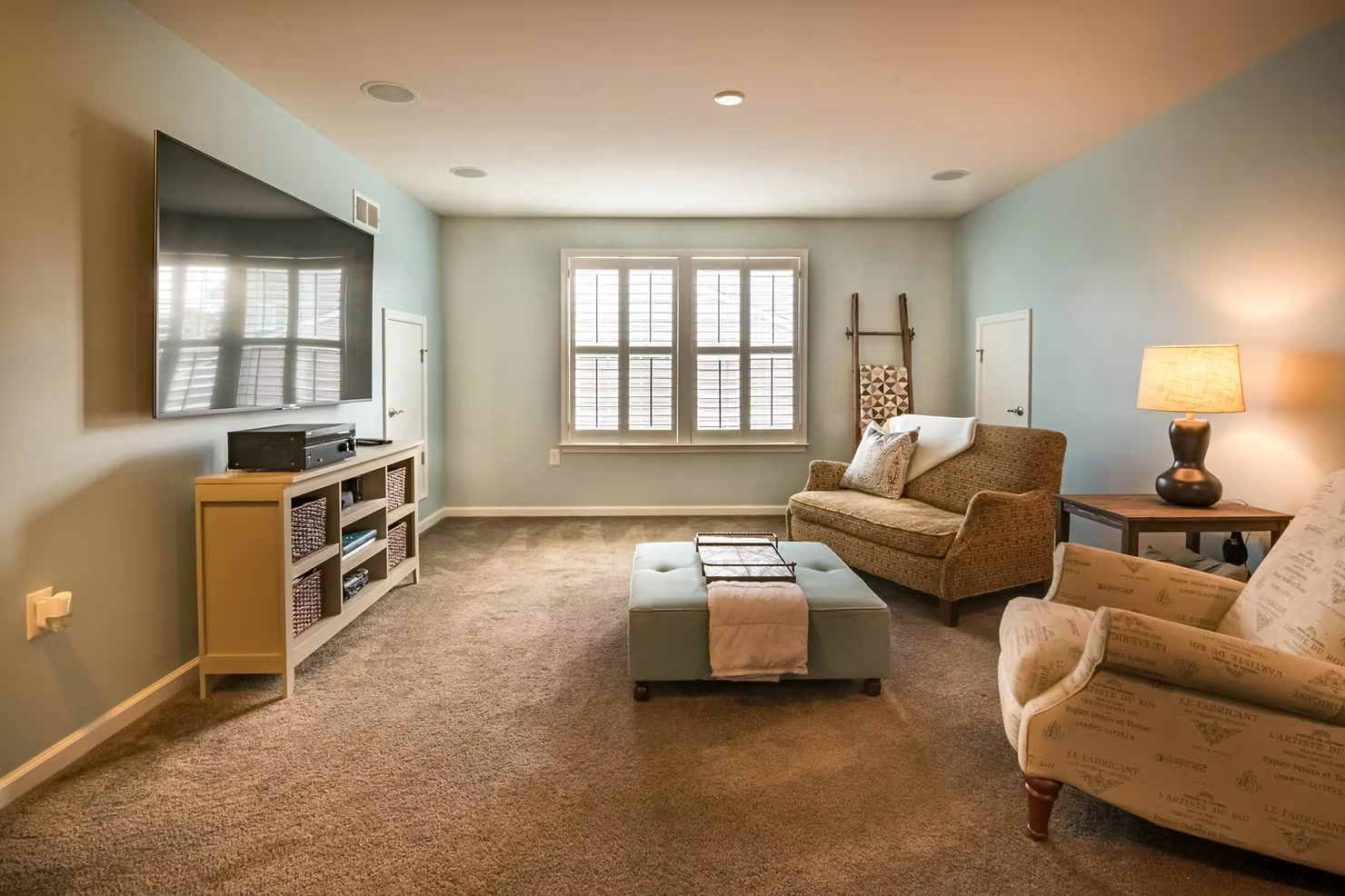
The dog in question rested quietly under the couch
She didn’t try to follow. She didn’t panic. She didn’t even move for the longest time.
We texted back and forth wondering if we had missed her getting up? Perhaps the camera was frozen? But no, she just… slept.
Why “Nothing Happening” Is a Big Deal in Dog Training
From the outside, this moment might seem insignificant.
But in separation work, it represents a major shift:
-
A change in the dog’s internal emotional state
-
A move away from panic toward safety
-
Evidence that our system can learn something new
In SRB cases, success isn’t just about how long a dog can be alone.
It’s about:
-
How they feel while alone
And sometimes, the clearest sign of progress is this:
Nothing happens when something used to happen every single time.
What This Story Teaches About Separation Anxiety in Dogs
If you’re working through separation anxiety with your own dog, here’s what matters:
-
Progress may be slow—but slow does not mean failing
-
Plateaus are part of the learning process and so are regressions
-
Medication can be an important and valid support tool – look for a Vet Behaviorist for support
-
Emotional state matters more than duration alone
-
We cannot rush meaningful change
Most importantly:
You are not behind.
The Quiet Wins Are the Real Wins
In dog training—especially with separation anxiety—the biggest victories are often the quietest ones.
No fanfare. No dramatic transformation.
Just a dog who used to panic…now resting peacefully in your absence.
And a guardian who was able to stay the course long enough to see it happen.
If you and your dog are struggling with alone time make sure to reach out to Kristine Adams MSc, CDBC, CTC,CSAT of Woof Wisdom dog training for support.


Join Woof Wisdom Weekly
Woof Wisdom Weekly is our newsletter where we share expert dog tips about training, general dog care, illness warnings, and much more.
0 Comments